The 4130 Movement and Why It Matters in Modern Daytona Replicas
The Rolex Caliber 4130 is an automatic chronograph developed in-house for the Cosmograph Daytona starting in 2000. It features a 30.5 mm diameter, 6.5 mm height, 44 jewels, and 201 components with a 28,800 bph beat rate and a 72-hour power reserve. Its defining traits include a column wheel for precise actuation and a vertical clutch that allows the chronograph to start without the usual jerk seen in many modular designs.
Top-tier factories produce 4130 clones that mirror this architecture closely rather than using off-the-shelf bases like the ETA 7750. The clone versions replicate the integrated layout where chronograph parts share the main gear train, resulting in a thinner overall profile and more efficient power flow. This structural similarity means the rotor winds bidirectionally with a ball-bearing system, and the Parachrom-style hairspring concept is approximated to maintain rate stability.
In practice, a well-executed 4130 clone delivers a power reserve of 60 to 68 hours under normal wear, which is close enough for weekend use without daily winding. The chronograph reset and pusher feel come nearer to the original than older clones because the vertical clutch engagement is copied. However, real-world stability often lands in the +/- 8 to 12 seconds per day range after regulation, and the chronograph seconds hand sweep can show minor hesitation compared with genuine examples.
The reason this movement earns attention is that it avoids the thicker case and different pusher feedback common in 7750-based Daytonas. Those older clones work but feel less refined during timing tasks because their clutch system operates differently. With a solid 4130 clone, the watch maintains consistent timekeeping across temperature changes and light activity, which matters if you actually use the chronograph function instead of treating it as decoration.
What this translates to for a buyer is fewer compromises in daily operation. You get longer intervals between service needs and a more believable start-stop action when timing something on the wrist. The trade-off remains that even the best clones require occasional regulation after travel or temperature shifts, and sourcing exact replacement parts later can involve more effort than with standard movements.
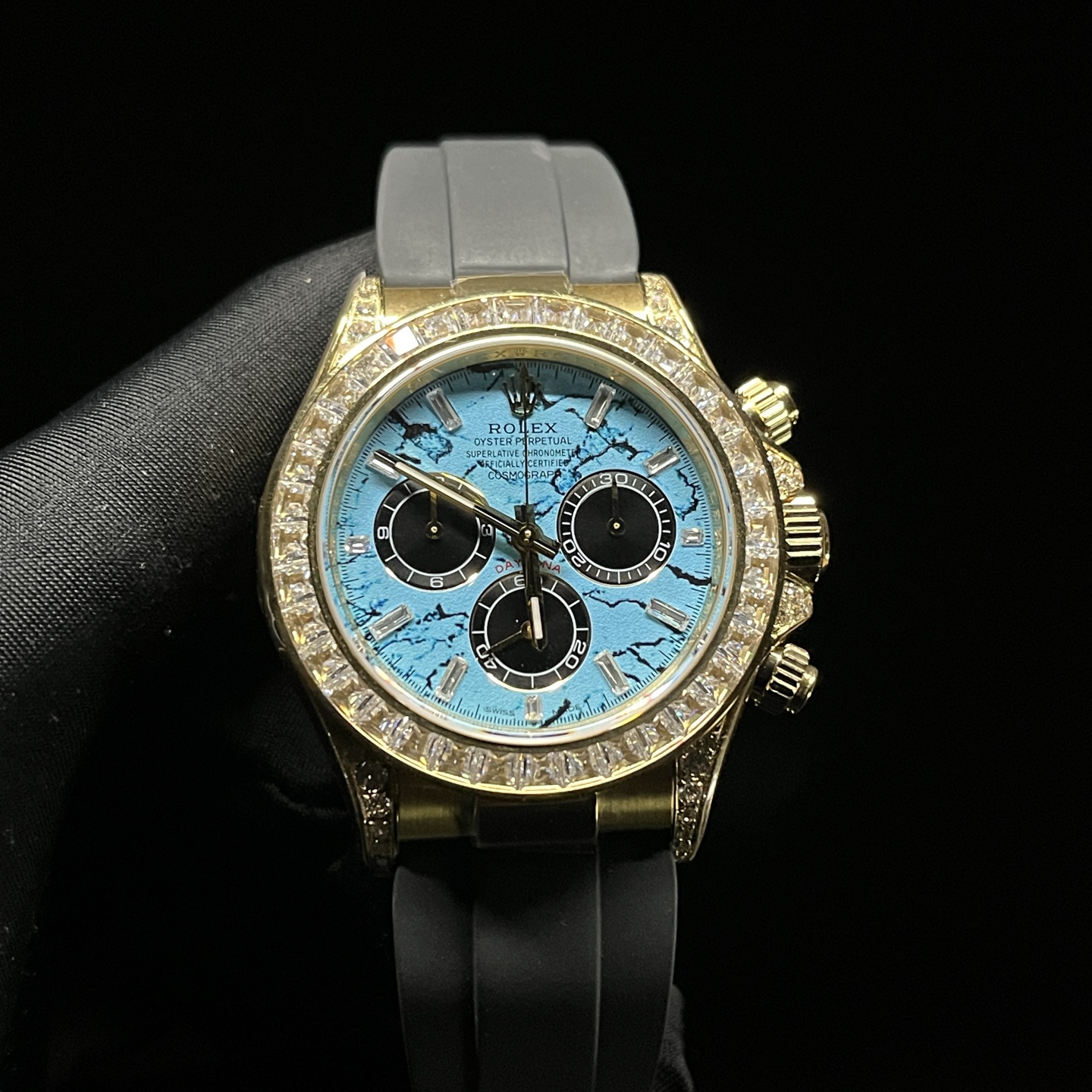
Structural Similarities That Actually Affect Performance
High-quality 4130 clones replicate the column-wheel control and vertical clutch placement so the pusher sequence feels logical and the reset returns cleanly to zero. The bridge layout and rotor design also follow the original closely enough that the watch winds smoothly and maintains amplitude in the 270- to 310-degree range when healthy. These details matter because they reduce the "toy-like" sensation some modular chronographs produce.
The practical impact shows up in how the watch behaves during extended wear. A structurally faithful clone keeps the seconds hand moving steadily without visible stutter, and the power reserve supports multi-day use without the rotor struggling. Buyers who have compared side-by-side often note that the 4130 versions feel more planted on the wrist during movement because the mass distribution matches the original more accurately.
Real-World Stability and Service Considerations
In daily use, a regulated 4130 clone typically holds time well enough for most people, though it may drift a few seconds after a flight or temperature swing. The chronograph itself starts and stops with acceptable crispness, though the pusher resistance is rarely identical to genuine. Repair difficulty sits in the moderate category: experienced watchmakers familiar with replica movements can service them, but they may need donor parts or specific tools for the clone components. This is why long-term ownership favors pieces from factories with proven movement consistency rather than the cheapest available option.
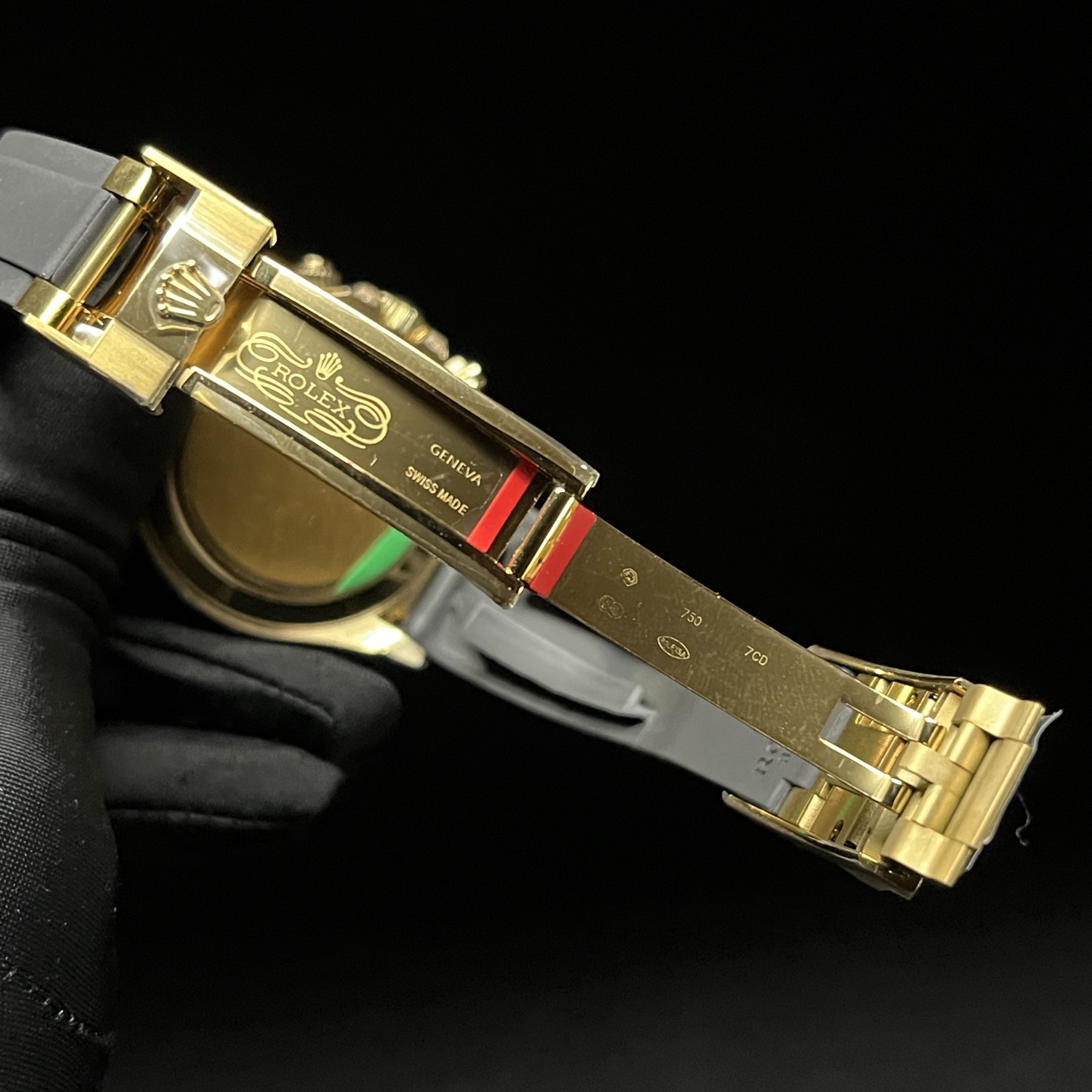
Clean Factory Versus VS Factory 4130 Clones: Where the Differences Show Up
When comparing two of the stronger producers of 4130-based Daytona replicas, Clean Factory and VS Factory both aim for high structural fidelity, yet their strengths diverge in measurable ways. Clean has historically emphasized case finishing, dial printing sharpness, and overall visual refinement. The 4130 clones from their earlier strong batches featured polished bridges and careful attention to small details like the rotor engraving style.
VS Factory, by contrast, has built a reputation for smoother movement operation and better consistency in recent production. Their 4130 clones often show more reliable winding feel and chronograph engagement across multiple examples. Weight distribution in certain steel models also comes closer to genuine in VS pieces, which affects how the watch settles on the wrist during active use.
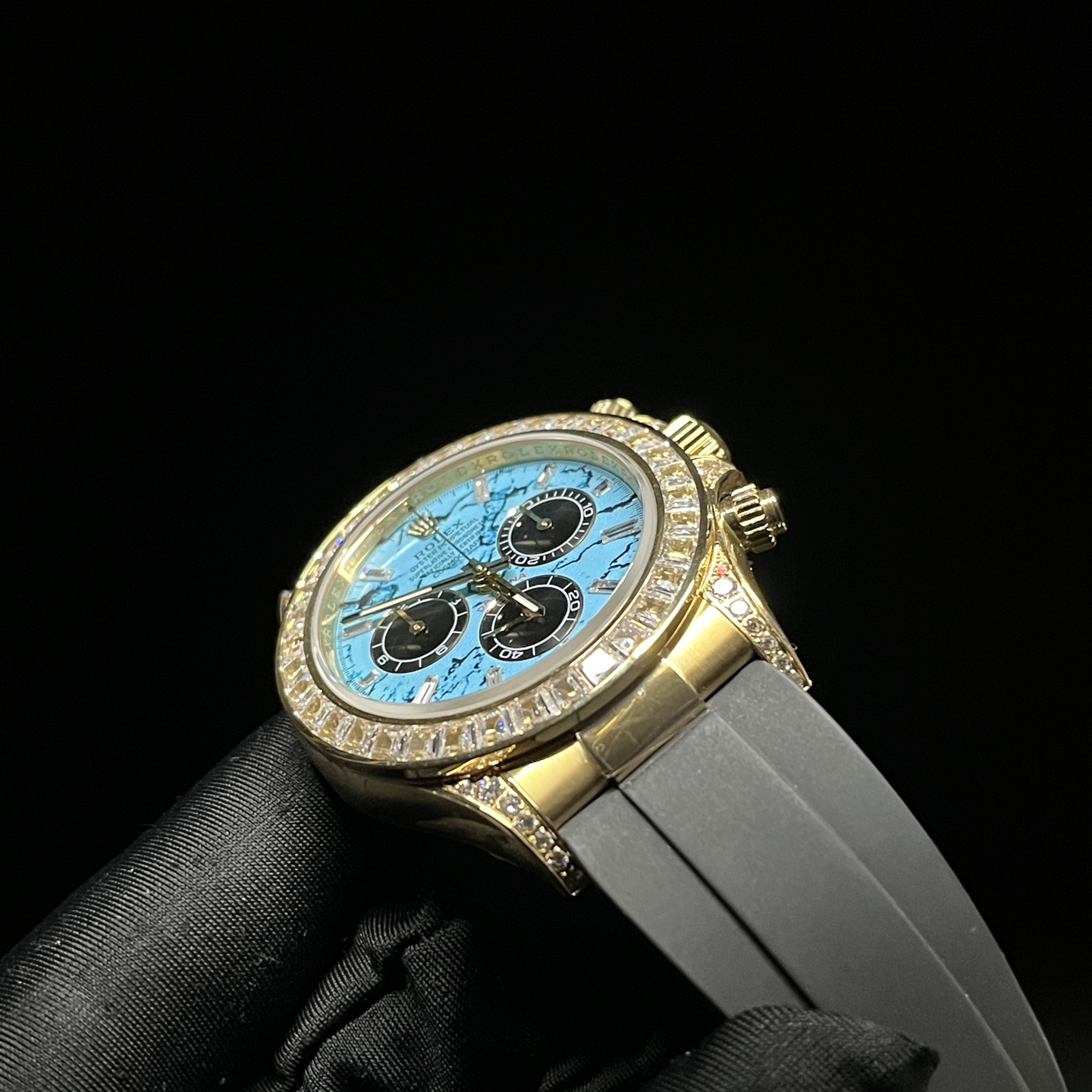
Both factories use custom 4130 architecture rather than modified standard movements, so the column wheel and vertical clutch behavior remain comparable. Power reserve claims sit in the same 65- to 70-hour window, though actual results depend on regulation and how much the chronograph runs. The key distinction appears in long-term reliability: VS examples have shown fewer reports of early amplitude drop, while Clean pieces sometimes excel in how the dial and hands present under varied lighting.
Why One Factory’s 4130 Clone May Suit Different Priorities
If your focus is primarily on how the watch photographs and feels in hand during inspection, Clean’s finishing approach often delivers the edge. The case edges and bracelet brushing tend to hold sharper lines. For buyers who wear the piece daily and value consistent chronograph function over months, VS has demonstrated stronger mechanical repeatability in community feedback. Neither is universally superior; the choice depends on whether visual micro-details or operational smoothness matter more to your intended use.
The real-world effect of these differences becomes clear after the first regulation cycle. A VS-sourced 4130 clone may require fewer adjustments to maintain rate, while a Clean example might reward closer initial inspection of the dial for alignment perfection. Both remain viable, but skipping this comparison often leads buyers to assume all 4130 clones perform identically.
Two Common Mistakes Buyers Make With Rolex Super Clones
One frequent error is treating published movement specifications as the sole decision factor. People see "4130 clone, 72-hour reserve" listed and assume the watch will behave like the original in every situation. In reality, the clone’s actual power reserve and rate stability vary with regulation quality and how the chronograph is used. This leads to disappointment when the piece drifts more than expected or the pusher action feels less precise than anticipated from spec sheets alone.
Another recurring mistake is equating higher price with guaranteed movement quality. Some sellers market lower-tier movements as 4130 clones to command premium pricing. Without movement close-up photos in QC or verification of factory origin, buyers end up with a chronograph that looks acceptable but lacks the structural refinements that make the 4130 architecture worthwhile. Both errors stem from focusing on marketing language instead of demanding evidence of the specific movement execution.
Wrist Test Versus Macro Test: What Actually Predicts Satisfaction
Macro photography and close-up videos reveal dial printing, hand alignment, and case finishing with precision. These checks are useful for confirming a piece qualifies as a strong visual replica. However, they miss how the watch interacts with your wrist during real activity. The wrist test evaluates weight balance, pusher feedback under finger pressure, and whether the chronograph seconds hand maintains consistent sweep when the watch moves naturally.
Many buyers select based on perfect macro results only to discover later that the chronograph engagement feels vague or the overall heft sits differently than expected. The 4130 clone’s thinner profile and rotor design should produce a more integrated feel on the wrist, yet this only becomes apparent when wearing the piece for several days rather than studying still images. The gap between the two evaluation methods explains why some highly praised examples still get returned or resold quickly.
Focusing too heavily on macro details can also mask minor rate issues that only surface after the watch has run for a full week. Conversely, a piece that passes a basic wrist test but shows small dial flaws under magnification may still deliver better daily enjoyment. The practical takeaway is to request wrist-worn video during the QC stage whenever possible and to consider how the watch will actually be used rather than how it appears in controlled photos.
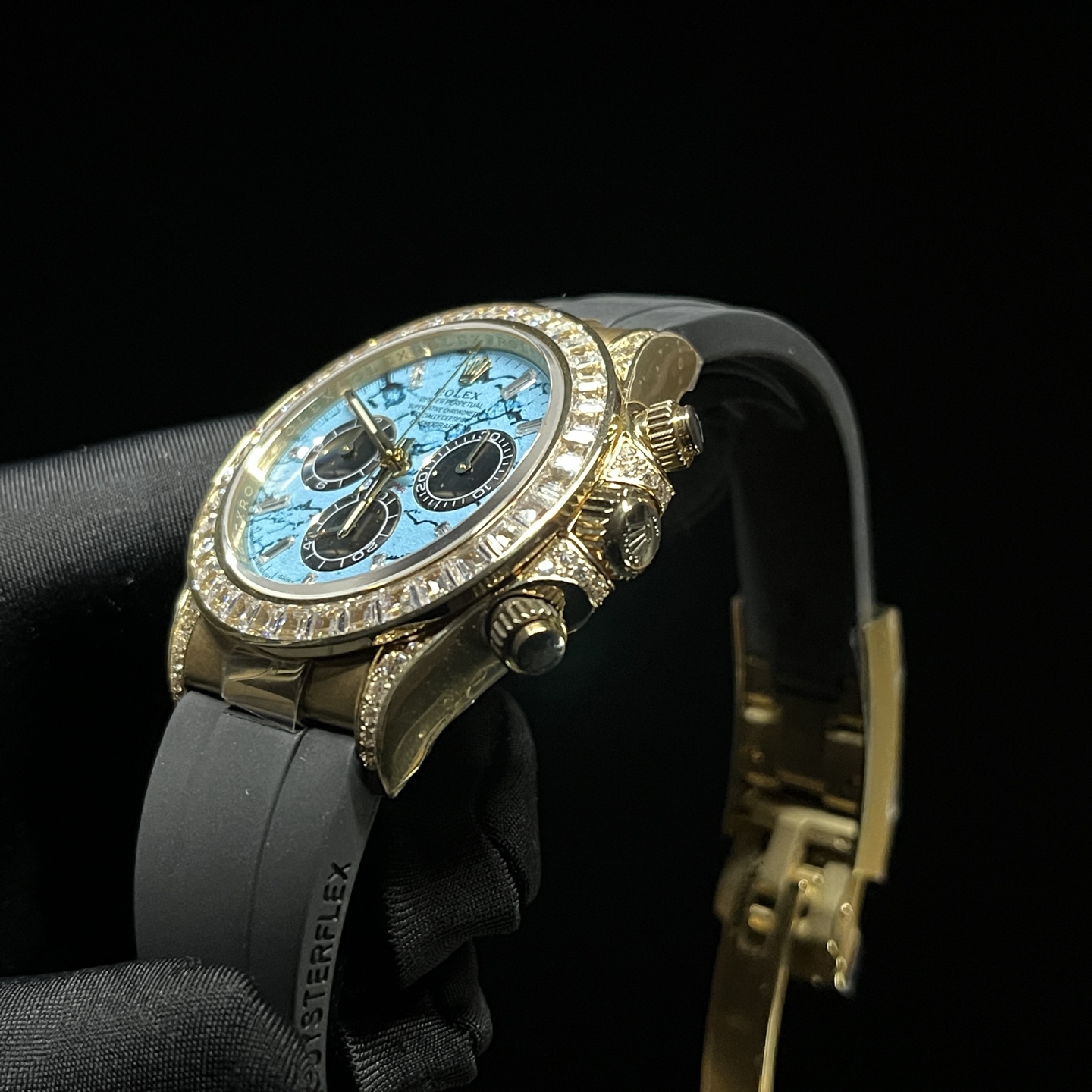
Experience-Based Guidance for Choosing and Owning a 4130 Clone
After acquiring and wearing multiple 4130-based replicas, the clearest pattern is that pieces from established factories with transparent QC processes hold their value in terms of satisfaction longer. I have found that requesting movement photographs alongside case and dial shots reduces the chance of receiving an inferior clone mislabeled as 4130. Regulation before shipping also makes a measurable difference in initial accuracy.
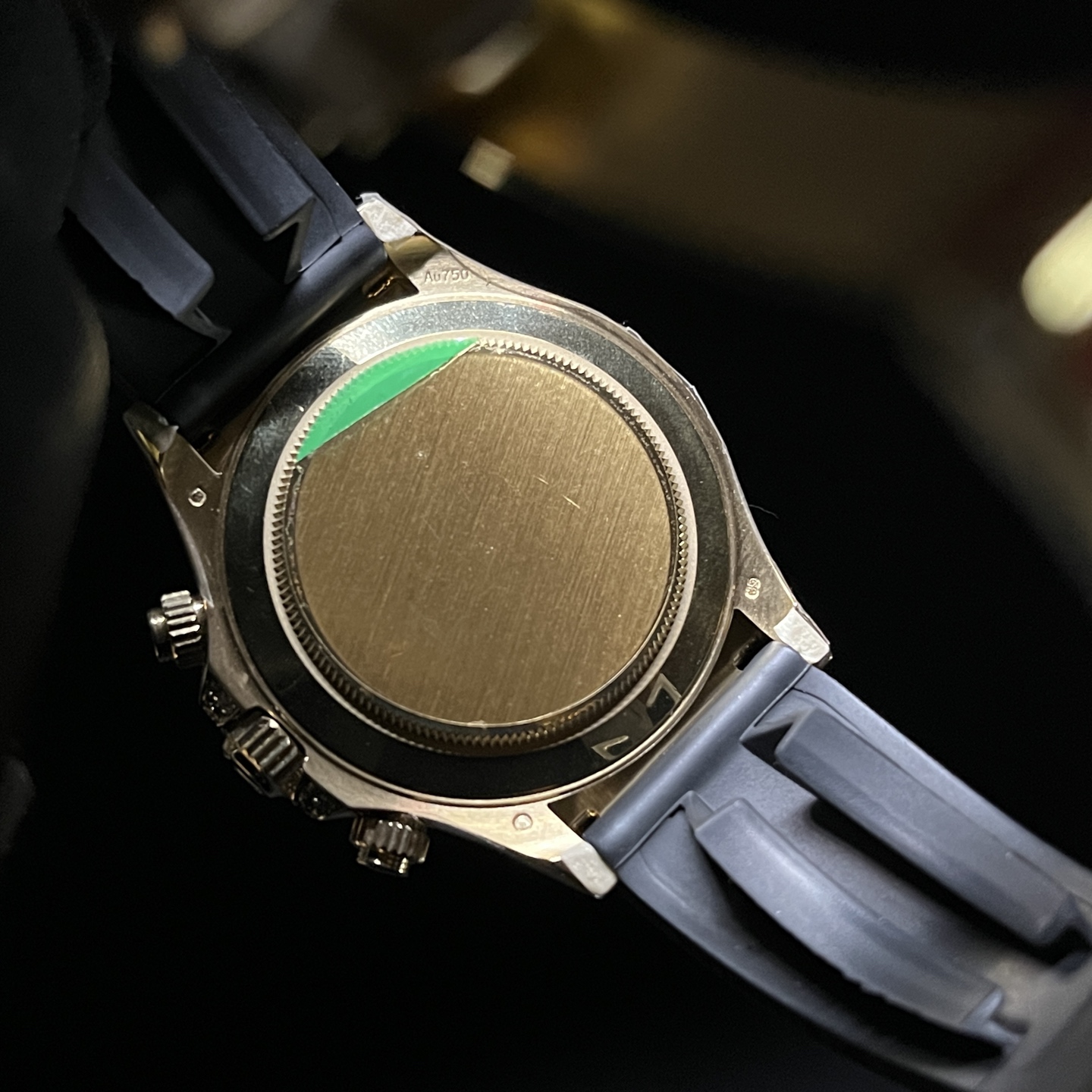
Platforms with consistent buyer feedback, such as replicafactory.is, have built reliability through detailed order tracking and willingness to address movement-related concerns post-delivery. This matters because even strong clones can benefit from a quick regulation after transit. Treating the purchase as a long-term ownership decision rather than a quick visual match tends to steer people toward the factories that prioritize mechanical execution over the lowest price point.
In daily terms, a properly chosen 4130 clone serves well as a weekend or occasional timing tool without requiring constant attention. Expect to service it on a schedule similar to other mechanical chronographs, and keep realistic expectations about how closely any replica matches genuine performance under every condition. The 4130 architecture simply provides fewer operational compromises than older alternatives for those who value chronograph function alongside appearance.